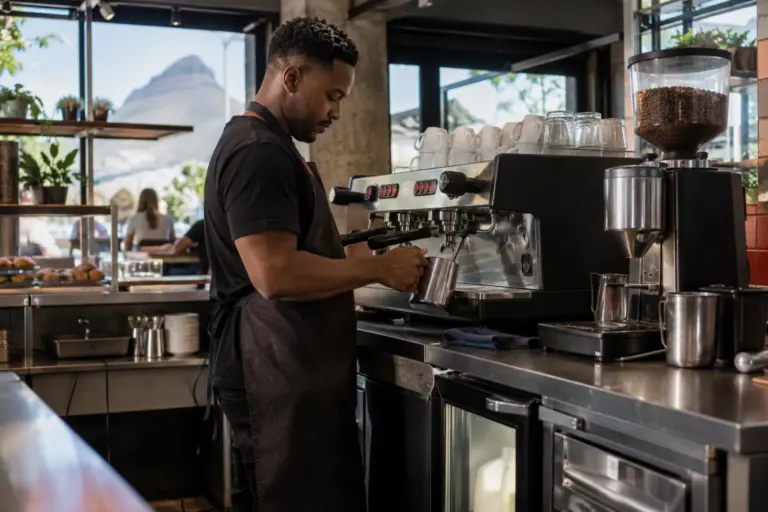
Start with the busiest service you expect to handle, rather than buying one example of every machine. List what must happen between receiving ingredients and handing over the finished meal. That sequence reveals both the essential equipment and the space each station needs.
1. Map the menu to the cooking line
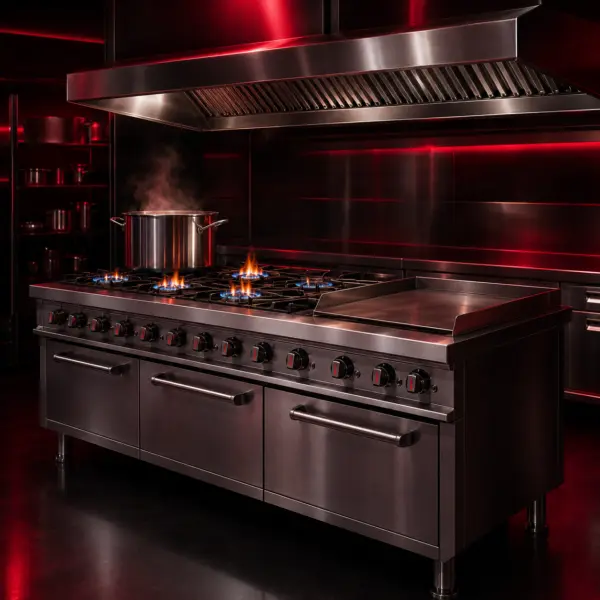
Write down the cooking methods behind your main sellers: frying, grilling, baking, boiling, steaming or reheating. Assign equipment to each method and identify where two dishes compete for the same appliance. A small fryer that handles quiet lunch service may become the bottleneck when several chip portions arrive together.
Include landing space beside hot equipment, suitable extraction and access for cleaning. Check tray and pan compatibility before you choose an oven. An oven that accepts a different tray format from your prep system creates extra handling and storage.
2. Plan refrigeration around deliveries and service
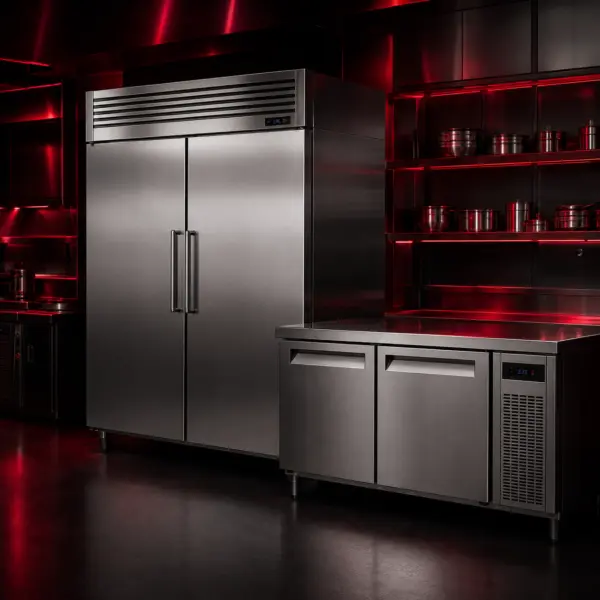
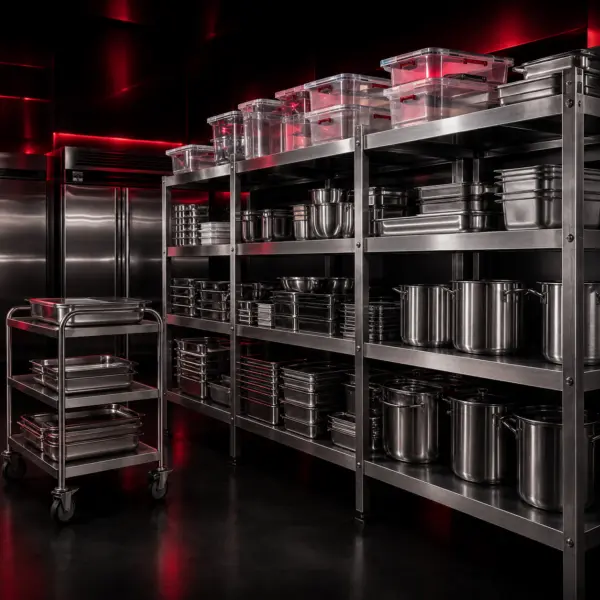
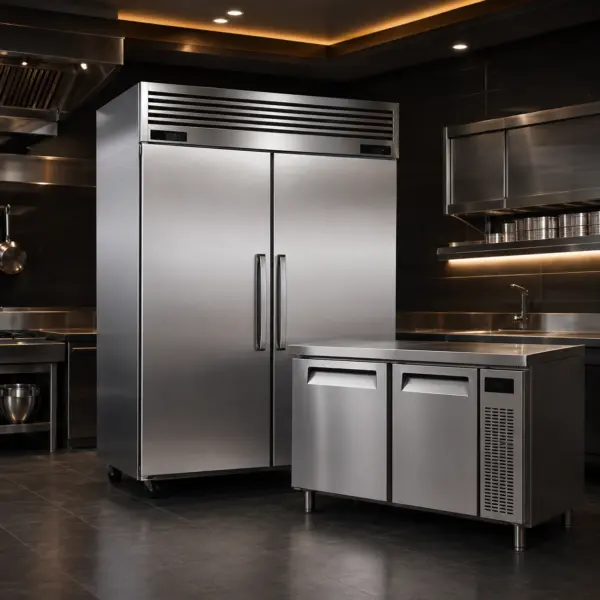
Separate bulk storage from ingredients needed at the cooking line. Upright refrigeration can support stockholding, while undercounter units keep frequently used ingredients close to the workstation. Choose the balance around delivery frequency, menu variety and the usable floor plan.
Confirm the selected unit’s intended application, operating conditions and ventilation clearances. A beverage cooler is not automatically suitable for every perishable-food storage task. Ask how shelving, container sizes and door openings affect the capacity you can actually use.
3. Give preparation and wash-up their own space
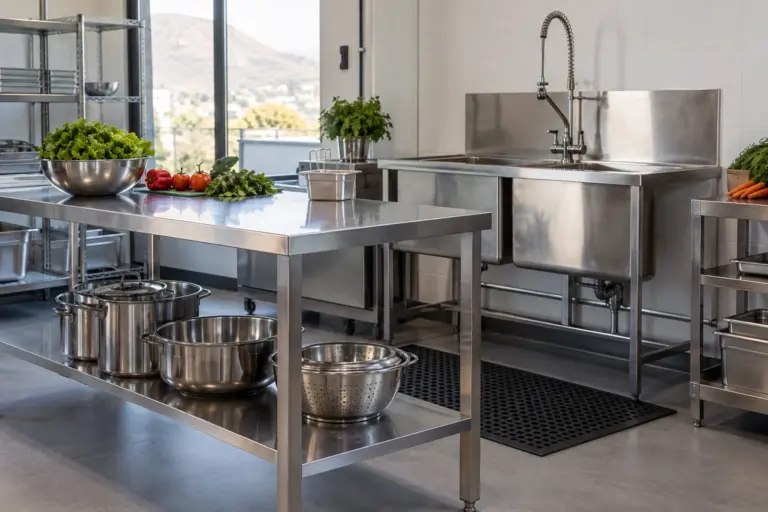
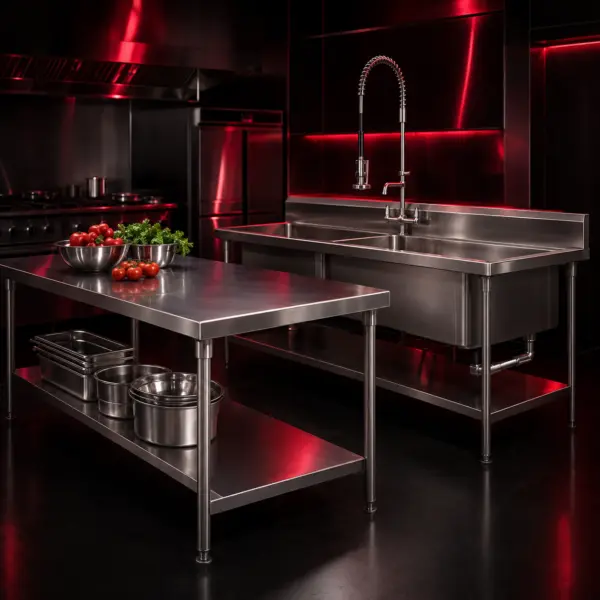
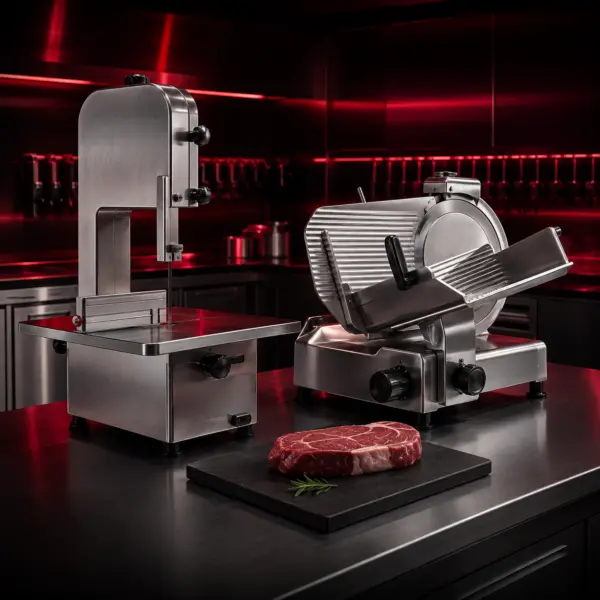
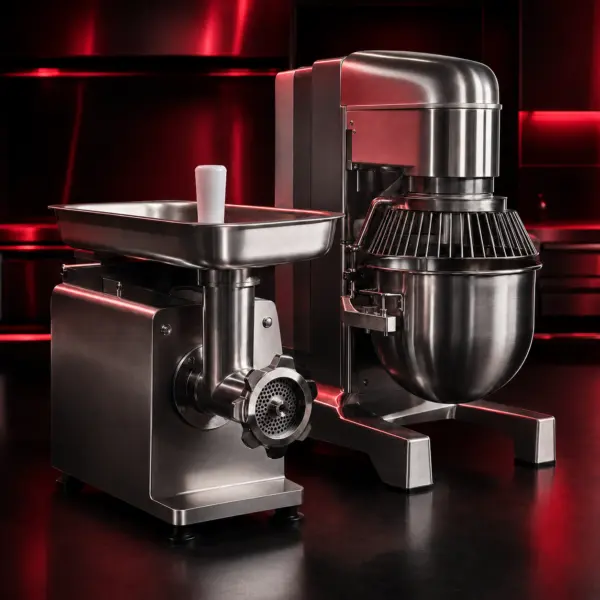
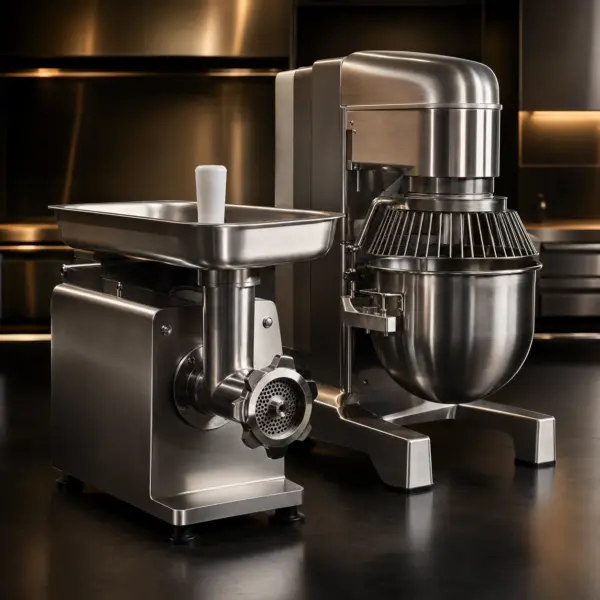
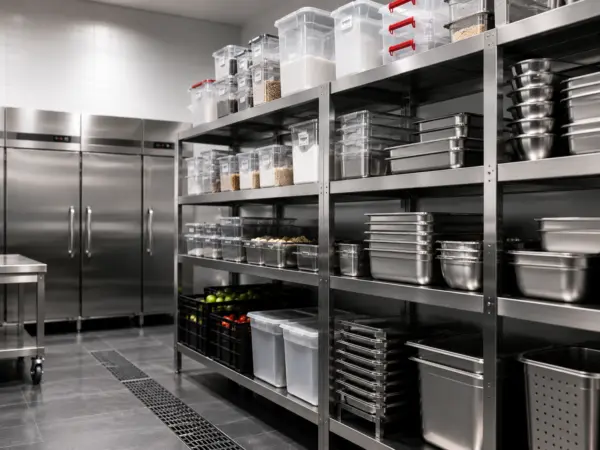
Include stainless steel worktables, appropriate sinks, shelving, ingredient containers, knives, utensils and the preparation machines your menu justifies. Smallwares are easy to omit from a quotation, yet the kitchen cannot operate efficiently without them.
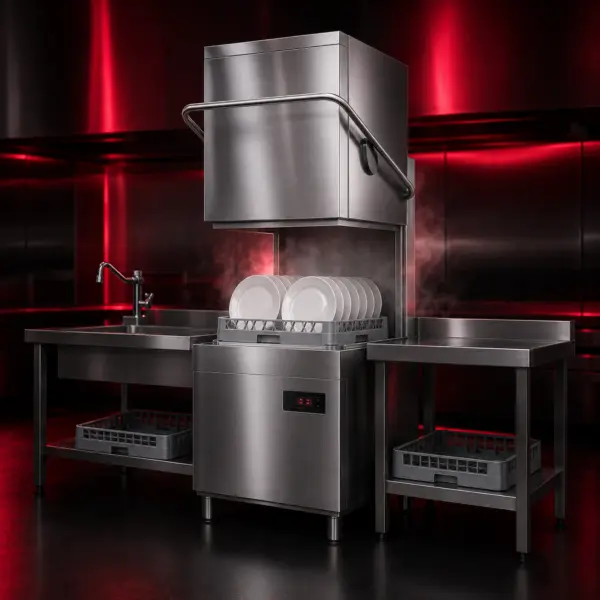
Sketch where dirty plates arrive, where they are scraped and washed, and where clean items leave the wash-up station. Avoid a route that carries dirty dishes through a ready-to-serve area. The World Health Organization’s food-handling guidance emphasises cleanliness and separation of raw and prepared food; the layout should make those habits practical.
4. Check the premises before placing the order
Equipment dimensions are only part of the fit check. Measure doorways, turns, lifts, delivery access and the route from the vehicle to the final position. Record the available electrical supply, gas arrangement, water points, drains and extraction route.
Have the relevant qualified contractors confirm what the premises can support. Do not assume that a plug, gas connection or drain shown in a product photograph matches your site. Include installation and commissioning responsibilities in the written scope.
5. Split the list into opening essentials and later additions
Create three groups: required to produce the opening menu, required to operate and clean the kitchen, and optional items that support future volume. This keeps a tight starting budget focused on the complete operating system.
For example, a second cooking appliance may be useful later, while refrigeration, handwashing provision, shelving and the correct wash-up equipment are needed from the start. Removing essential supporting items to afford a bigger cooking line can leave the business with a difficult kitchen.
Your quotation checklist
- Menu, expected busy service and opening hours.
- Equipment quantities, tray formats and usable capacities.
- Floor plan, delivery access and appliance clearances.
- Power, gas, water, drainage and extraction requirements.
- Included accessories, installation, commissioning and staff training.
- Warranty terms, servicing arrangements and items excluded from the price.
Request a line-by-line quotation so you can compare equivalent equipment and scope. A clear specification is more useful than a list of broad labels such as “large fridge” or “commercial oven”.
Frequently asked questions
Should I buy all the equipment before confirming the menu?
Confirm the opening menu and service workflow first. They determine which equipment is essential and which purchases can wait.
Can a supplier quote from a floor plan alone?
A floor plan helps, but also provide the menu, expected workload, site services and delivery access. Those details make the equipment recommendation more useful.
Further reading
These sources provide background guidance. Check the documentation for the exact equipment you intend to buy.
Featured image is an AI-generated illustration of a kitchen or equipment setting.